
Everyone wants to buy the dip. Almost nobody actually manages to. Here's why doing the unglamorous thing on autopilot quietly wins.
In July 2026, Indians poured ₹31,961 crore into mutual funds through SIPs in a single month — a four-month high, and this was during a stretch when the market was jumpy and the headlines were nervous. Total SIP assets have crossed ₹16.85 lakh crore. Sit with that for a second. Millions of ordinary people, many of them not experts at all, kept putting money in on a fixed date while the “smart money” on TV argued about whether to wait for a correction.
That quiet crowd usually ends up ahead of the clever ones. Let me explain why, without the jargon.
**The fantasy of timing the market** The dream is simple and seductive. You wait patiently in cash, the market crashes, you buy at the bottom, it recovers, you look like a genius. Everyone has run this movie in their head.
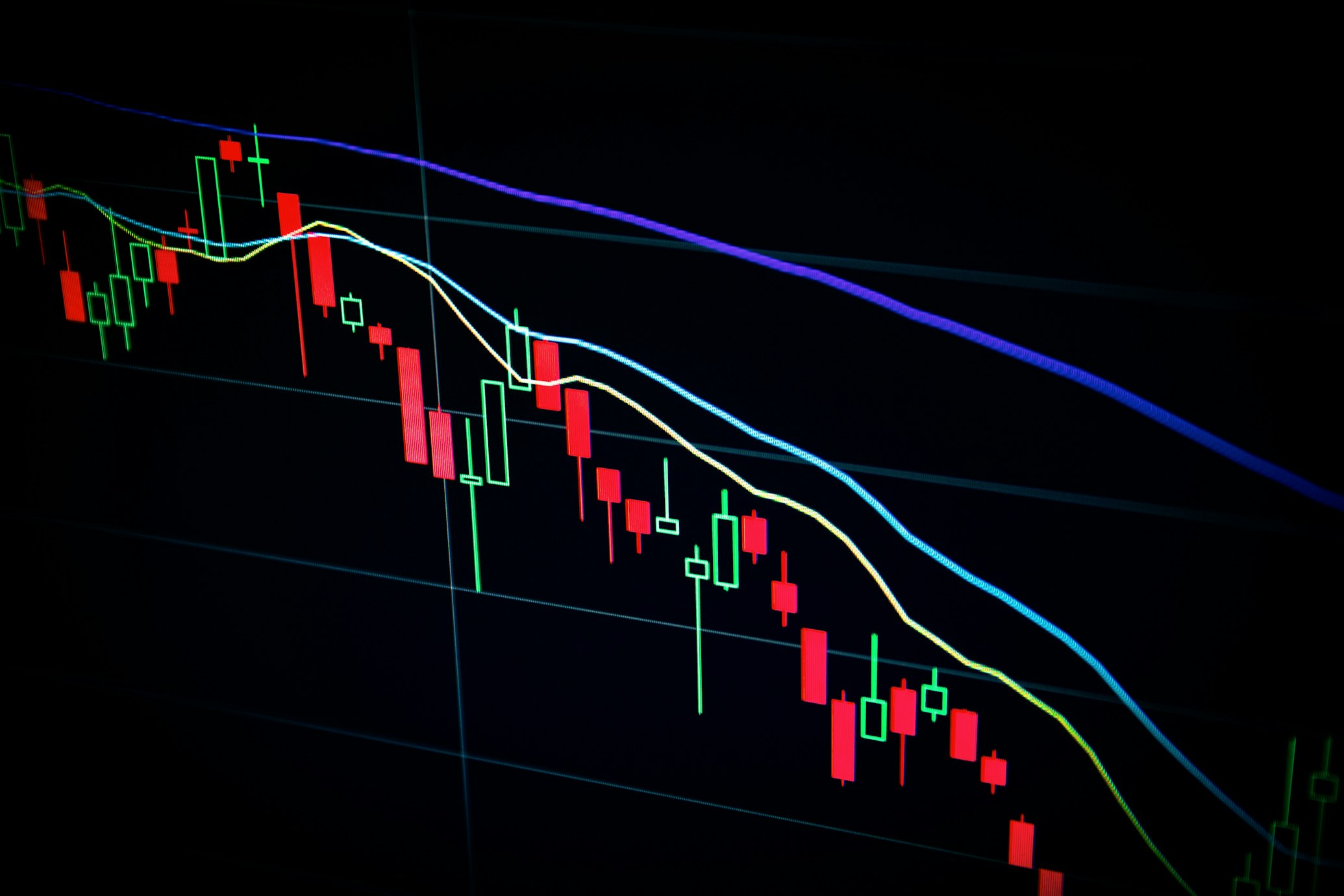
The reality is that you're being asked to be right twice. You have to sell (or hold back) at the right time, and then buy back in at the right time. Get either one wrong and the whole thing falls apart. And here's the cruel joke of the market: the biggest up-days tend to cluster right after the scariest down-days. Which means the exact moment you're most terrified to invest is usually the most rewarding one. Nobody feels brave at the bottom. That's what makes it the bottom.
**What an SIP does instead** A Systematic Investment Plan doesn't try to be clever. On the same date every month, a fixed amount — ₹2,000, ₹10,000, whatever you set — leaves your account and buys units. Market high, market low, market boring: it doesn't ask, it just buys. This is called rupee-cost averaging, and it's doing something sneaky in your favour.
When the market is down, your fixed ₹10,000 automatically buys more units because each unit is cheaper. When the market is high, the same ₹10,000 buys fewer. Over years, you end up having bought more of the cheap stuff and less of the expensive stuff — the exact behaviour every investor claims they want, except you did it without a single brave decision. The discipline is built into the machine, not into your willpower on a bad day.
**A quick, honest example** Imagine two people. Anjali starts a ₹10,000 SIP and simply never stops — through the scary months, the boring months, all of it. Rohit keeps his ₹10,000 in the bank each month, waiting for the “right time” to invest a lump sum, because he's sure a crash is coming.
A crash does come. But Rohit hesitates, because at the bottom everything feels like it's going to fall further. By the time he's confident, the market has already bounced and he buys back higher than where he sold. Anjali, meanwhile, kept buying straight through the fall — including all those cheap units near the bottom that Rohit was too scared to touch. Ten years later it isn't close. Not because Anjali was smarter. Because she never gave herself the chance to be scared.
**The catch nobody mentions** SIPs only work if you actually let them run. And here's a sobering number from the same 2026 data: the SIP stoppage ratio crossed 100% in a couple of months — meaning more people stopped their SIPs than started new ones. The moment the market wobbles, a lot of investors quietly cancel exactly the tool that was designed to protect them from their own panic.
That's the real test. An SIP is not magic. It's a promise you make to your future self, and its entire power comes from you keeping it when your gut is screaming to stop. The market rewards the person who's still investing on the ugly red days, not the one who paused “just until things settle down.”
**How to actually make it stick** • Automate it and pick a date right after your salary lands, so the money leaves before you can spend it. • Start with an amount that feels almost too small to matter. A running SIP you never cancel beats a big one you abandon. • Use a step-up SIP — increase the amount a little every year as your income grows. Your future self will barely notice, and the end result changes dramatically. • On crash days, do nothing. That's not laziness. On those days, doing nothing is the entire strategy working.
<blockquote>“You will never feel ready to invest at the bottom. That's precisely why you automate the decision and take your emotions out of it.” — Capital Origin</blockquote>
“Understanding the fundamentals of taxation is not optional — it’s the foundation of every smart financial decision.”
Capital Origin
Financial Educator & Analyst
Capital Origin’s editorial team simplifies complex financial concepts so every Indian investor can make informed decisions. We cover personal finance, taxes, markets, and wealth building.